TARA Guides
TARA Preparation: Your 6-Month TARA Preparation Timeline
Written by: Matt Amalfitano-Stroud
Welcome to Exams.Ninja’s 6-Month Preparation Timeline for the TARA.
The Test of Academic Reasoning for Admissions (TARA) is a little different from most admissions tests: it isn’t about a particular subject at all. Instead, it measures the thinking and writing skills that underpin strong undergraduate study. That makes preparation less about revising facts and more about sharpening how you reason, so there’s real value in starting early. Join us as we take you through the whole 6-month journey to TARA success. Let’s get started!
(Please bear in mind that this schedule is built around candidates sitting the TARA in October. Those sitting in January can follow the same structure but should adjust the dates accordingly).
May
Understanding the TARA Format
First things first: how does the TARA actually work? Because it’s a skills test rather than a subject test, knowing the format inside out is a big part of the battle.
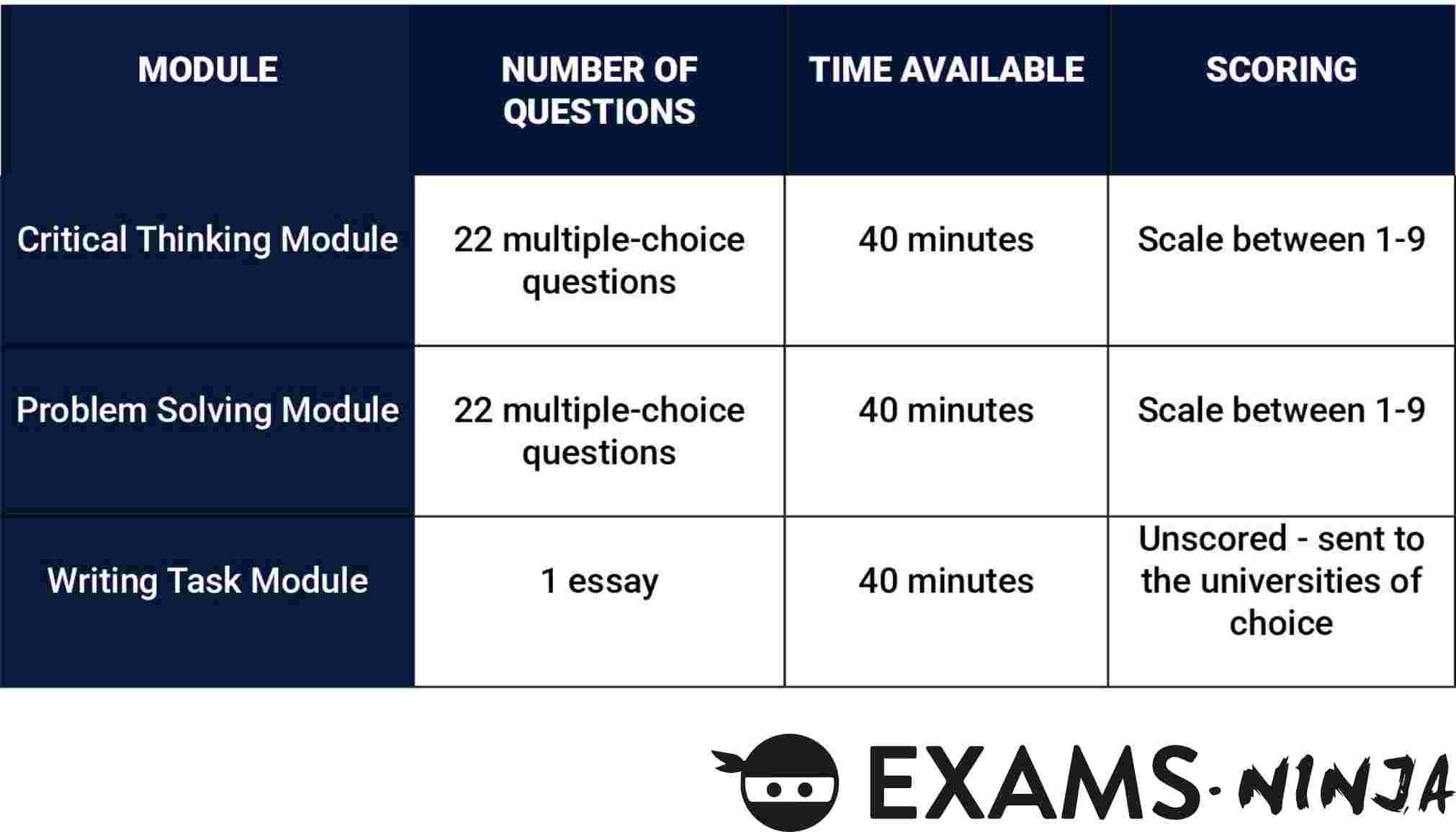
The TARA is made up of three compulsory modules, each lasting 40 minutes. Every candidate sits all three, and they’re pre-selected for you when you book – there are no optional components to choose between:
Critical Thinking and Problem Solving are each scored on a scale from 1 (low) to 9 (high), reported to one decimal place, and there’s no penalty for wrong answers — so always attempt every question. The Writing Task works differently: it isn’t scored by UAT-UK at all. Instead, a copy of your response is sent directly to the universities you’ve applied to, where it forms part of their wider assessment. In other words, the essay is read by the very people deciding on your application, so it deserves real attention.
The best first step is to read the official TARA specification and work through the specimen test on the UAT-UK website under timed conditions. Hearing from former applicants through videos, blogs and forums like The Student Room can help too, especially for a sense of what the Writing Task feels like in practice.
Creating an TARA Preparation Plan
Once you understand the format, it’s time to build a plan – a physical or virtual timeline you can start following from next month. The key is to make it specific, realistic and comprehensive. Take a step back and think honestly about where you’re likely to struggle, and dedicate more time there without neglecting your stronger areas. Factor in the rest of your application too, especially your personal statement, and be realistic about how much time each part will need.
Planning your revision time matters – but so does planning your time away from it. There’s no point working around the clock; you’ll retain less and arrive at the test exhausted. Take a look at these two graphs:
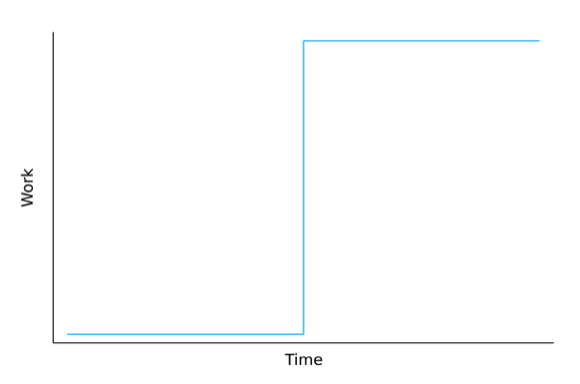
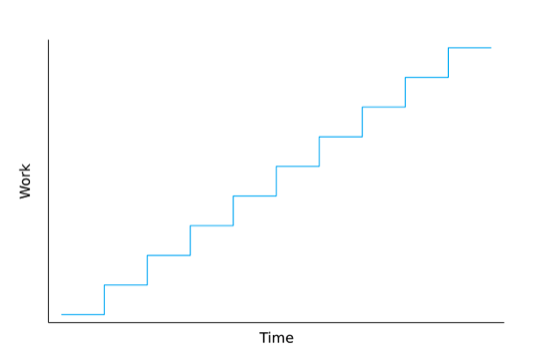
As you can see, you have two options: cram all your work into one short burst, or spread it out across the full stretch of time available to you. The first approach certainly has its uses for some tasks, but revision isn’t one of them.
The whole point of revision is to retain as much information as you can ahead of a set moment when you’ll need to put that knowledge to use. Rushing the process only shrinks how much you actually hold on to, which translates into weaker results when test day comes. You’ve got plenty of time before the TARA, so spend it wisely and you’ll reap the rewards on your way to university!
One other thing that will be helpful is to take stock of any revision resources you have available. Beyond just your textbooks, this could include any websites you’ve found helpful, any classes you’re due to attend, or any question banks you have found. If you want to go the extra mile with your preparation, you could also invest in a preparation service to access even more resources. For example, the Exams.Ninja TARA Preparation Platform grants you access to 20+ tutorials, 2,000+ practice questions and a collection of relevant past papers. All of that will definitely give your resource collection a boost!

June
Revision Begins
Now it’s time to put your plan into action. Because the TARA tests transferable skills rather than memorised content, “revision” here means practice and habit-building more than anything else.
The Critical Thinking and Problem Solving modules reward a particular kind of careful, logical reading – spotting assumptions, weighing evidence, and working methodically through unfamiliar problems. The best way to build these skills is by doing: work steadily through reasoning-style questions and pay close attention not just to whether you got the answer right, but to why.
The Writing Task deserves attention from the start, too. It asks you to construct a clear, well-argued response to a broad question – so this is the month to begin reading widely: news, comment pieces and articles on topics that interest you. As you read, practise forming and justifying your own view. This kind of reading builds exactly the fluency you’ll need to write persuasively under time pressure later on.
From our TARA Expert:
I underestimated the Writing Task at first because it isn’t given a numerical score. That was a mistake – it goes straight to the universities, so it’s arguably the part of the test they engage with most personally. Once I realised that, I started treating my practice essays as if an admissions tutor would read every one. My reasoning got tighter almost immediately.
July
Ramping up Preparation
For most students, school finishes in July, which makes it your best chance for some genuinely focused TARA preparation. Your plan should already have carved out time for both work and rest, so lean into it.
For the multiple-choice modules, keep working through reasoning and problem-solving questions, and start noticing which question types slow you down. Critical Thinking and Problem Solving each draw on different habits of mind, so track your performance on each separately – you may find one comes far more naturally than the other.
For the Writing Task, move from reading to writing. Take a topical issue, give yourself a strict word limit, and practise building a structured, persuasive argument. Remember that the task isn’t testing what you already know about a subject – it’s testing how clearly you reason and express yourself.
From our TARA Expert:
I started setting myself Writing Task questions based on whatever was in the news that week, deliberately mixing topics I knew well with ones I didn’t. That stopped me relying on subject knowledge and forced me to lean on structure and reasoning instead – which is exactly what the task rewards. If you can’t think of questions yourself, ask friends or family to throw topics at you.

Prepare for TARA success with TARA.Ninja
With the TARA.Ninja Preparation Platform, you’re getting the most effective way to perfect your skills in time for the test. Sign up today for free to begin your TARA preparation journey!
August
TARA Practice Questions
Now it’s time to focus on genuine TARA-style material. Gather a good selection – the specimen test, past questions and dedicated question banks – and resist the urge to burn through it all at once. These are among your most valuable resources, so pace yourself so every question earns its keep.
Keep the two multiple-choice modules and the Writing Task in balance. It’s easy to drift toward the format you find more comfortable, but all three modules matter.
Exams.Ninja Tip
Timing is critical. The Critical Thinking and Problem Solving modules give you 40 minutes for 22 questions – that’s a shade under two minutes per question on average. The Writing Task gives you 40 minutes to plan and write up to 750 words. Don’t impose strict limits at the very start of your revision, but as you grow more confident, rehearse at pace until the timing feels natural. For the essay in particular, practise spending the first few minutes planning before you write a word.
Extra TARA Revision Tips
As the test gets closer and closer, you may begin to feel the stress of it all. Here are a few more things you can do to keep your revision on track:
Get into the habit of flagging questions now, since the chances are you’ll need to do exactly that in the real exam. Running into a question you simply can’t crack in the moment is perfectly normal, but forcing your way towards an answer does little good and eats up time that would be better spent elsewhere. Even so, always put something down regardless, just in case you never get the chance to return to it.
When your own efforts to understand something aren’t getting you anywhere, there’s no harm in turning to someone else for help. That might be a teacher, a mentor or a friend, anyone you trust to explain things in a way that makes sense to you. An online forum is worth a try, too. Plenty of people out there have been through exactly what you’re facing now and will have valuable advice on how to come out the other side.
Few things motivate quite like setting milestones for yourself! These might be anything from working through a certain number of questions or past papers to finally nailing that one type of question that’s been giving you the most trouble. As for rewards, let them be whatever you reckon will keep you following through on your tasks, though the finest reward of all is the sense of pride that comes with achieving something and, better still, with sailing through the TARA!
Exams.Ninja Tip
You won’t be allowed a calculator or a dictionary in the TARA, so don’t lean on either while practising. Building the habit of reasoning things through unaided now means no nasty surprises on the day.
TARA Registration
Registration is a key step to get moving early. You can create your UAT-UK account from the start of June, ahead of booking opening, and the test itself is booked through Pearson VUE. In broad terms:
Create your UAT-UK account (this can be done before bookings open) and set up a Pearson VUE account, providing the required personal details including your full legal name.
When bookings open, confirm your test. Because all three TARA modules are compulsory and pre-selected, there are no modules to choose — but do check you’re booking the correct test and sitting.
Choose a test centre, then pick an available date and time. Slots are limited, so book as early as you can.
Confirm everything is correct and submit. You should receive a confirmation email with all the relevant details.
Book well before the deadline – Oxford applicants in particular have no flexibility on the October window, so leave nothing to chance. If you have any access requirements or need a modified paper, contact Pearson VUE customer services to arrange this.

September
Taking TARA Specimen And Past Papers
Test day is approaching, so it’s time to sharpen your technique. Whatever practice material you have, treat it exactly like the real test: quiet room, strict timing, all three modules, no calculator or dictionary.
Your first few attempts may not go as well as you’d hope – that’s normal, and it’s exactly why you practise. Through repetition, you’ll learn from your mistakes and find an approach that works for you across each module.
A few key points to keep in mind when working through papers:
- Watch the clock closely in each module - just under two minutes per multiple-choice question, and a firm 40 minutes for the essay.
- Stay aware of your weaknesses so you can address them before the real thing.
- If a multiple-choice question really won't come, move on - but always put an answer down, since there's no penalty for a wrong guess.
- For the Writing Task, always plan before you write. A clear structure is worth more than a rushed extra paragraph.
October
UCAS Application Deadline
For Oxford applicants, your UCAS application and personal statement are due by the 15th of October – right alongside the October TARA window – so build the time to complete them well into your plan. For UCL applicants, the equal-consideration UCAS deadline falls in late January; if you’re sitting the TARA in January, your preparation timeline shifts accordingly, but the same principle applies: a rushed or late application can undo months of good work.
Final Weeks of Revision
You’re now into the final countdown. Use these last weeks to consolidate rather than cram:
Running low on practice material? Because the TARA isn’t based on any actual subject material beyond general skills, textbooks and traditional school exams won’t be helpful here. Instead, you will need to seek questions from similar admissions tests. These include discontinued tests like the TSA and BMAT. Just remember the questions will differ in subtle ways, so treat them as general practice rather than the real thing.
Keep everything outside your preparation as calm as possible. It’s a demanding time of year, so manage your breaks well and watch your energy. If you feel close to burning out, build in small rewards to keep yourself moving.
TARA Testing Day
Exams.Ninja Tip
This is the day it all pays off. In the day or two beforehand:- Double-check your test date, time and centre.
- Get a proper night's sleep before the test.
- Plan your route to the centre and allow for delays.
- Take everything you need, including your ID.
- Arrive early enough to sign in and settle before you begin.
Don’t leave anything to chance – one avoidable slip on the day can affect your whole application.

A final word from our TARA expert:
With the TARA, self-awareness and organisation are everything. Know your strengths and weaknesses, time yourself constantly, and keep thinking of fresh perspectives on topical issues for the Writing Task. Remember that the essay isn’t about reaching the “right” answer – there isn’t one – it’s about how clearly and persuasively you argue your case. Those skills sharpen enormously with practice, and they carry across both the reasoning modules and the essay, whatever topics you’re given.
This brings us to the end of our preparation timeline. Your admissions journey isn’t quite over – your results and Writing Task feed into your application, and if you’re applying to Oxford, interviews may follow.
There’s no single “correct” way to prepare; it comes down to how you learn and think best. As long as you’re steadily building your reasoning and writing skills, you’re improving your chances of success. Whatever comes next, we wish you the very best of luck with your application!
It’s time to start thinking about your TARA Preparation!
When you sign up to the TARA Preparation Platform, you’re signing up for loads of amazing resources to help you get through your TARA prep with ease! Your upgraded account will get you instant access to all of these great features:
Training Temple – Explore over 20 expert tutorials covering everything you need to know about the TARA, as well as plenty of exam tips and tricks!
Practice Dojo – Test your maths skills with over 2,000 practice questions from each section of the TARA. Learn from your mistakes with our fully worked solutions so you’ll get it right next time!
Exam Arena – The final challenge! Take on our collection of TARA practice papers and see how you do in simulated exam conditions, complete with an accurate score at the end!
Sign up today to try the TARA Preparation Platform for free!